
 By
Key Takeaways
- Since India imports over 90% of the crude oil it consumes, any major disruption in global supplies could affect Indian households.
- This could increase fuel and transportation costs, put pressure on the rupee, and contribute to inflation. Prolonged inflationary pressures may also influence interest rate decisions
- Geopolitical risks affect different investments in different ways. Some stocks are more vulnerable to these risks than others, while gold has its own potential benefits and risks
- Many Indian households have continued their SIPs through recent market swings, with monthly SIP inflows reaching a record Rs. 32,297 crore in August 2026, as per AMFI data.
- A portfolio built around your goals and spread across assets is easier to hold through oil-led volatility than one built on news reactions.
H1: How Geopolitical Tensions and Oil Prices Shape the Portfolios of Indian Households
A conflict breaks out thousands of kilometres away, and within days, petrol prices, the rupee, and the Sensex all start moving. For most Indian families, that’s when the questions begin.
Should we sell our stocks? Should we buy more gold? Should we pause our SIPs?
These reactions are understandable. Crude oil prices and geopolitical tensions touch almost every part of a household’s finances, from the monthly grocery bill to long-term investments. This blog explains how that connection works and what it means for the way Indian households hold their savings.
H2: Why Crude Oil Prices Matter So Much for India
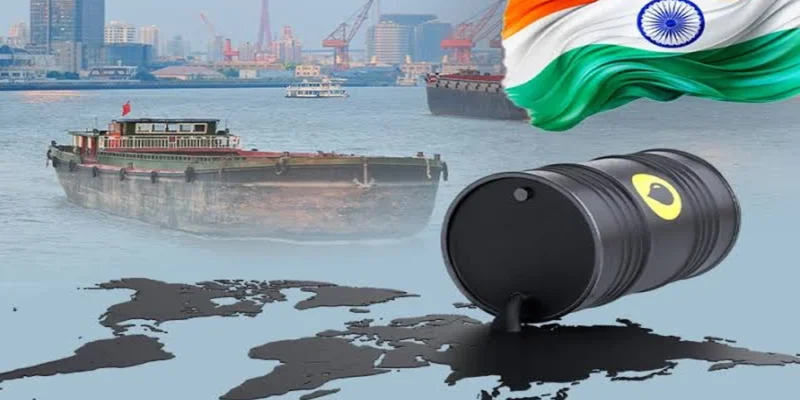
India relies heavily on imported crude oil to meet its domestic requirements. According to, imports accounted for approximately 90.6% of the crude oil processed in India in FY 2025-26.” That means nine out of every ten barrels come from global markets.
When crude oil prices rise, India’s import bill can increase. Paying for the same quantity of oil may require more dollars, potentially putting pressure on the rupee, domestic inflation and household budgets.
In early September 2026, concerns over US-Iran tensions coincided with movements in Brent crude oil prices, the rupee and Indian equities, highlighting how geopolitical uncertainty can influence financial markets.
H2: How Geopolitical Tensions Reach Your Money
H3: Inflation and the Household Budget
However, oil is not simply fuel and diesel. It can be used for transportation, manufacturing plastics, making fertilizers, paints, and booking plane flights. High crude oil prices generally mean increased prices of commodities. This means that people have less money for savings and investments.
H3: The Rupee and Imported Costs
A depreciation of the rupee makes imports more expensive in Indian currency, potentially increasing the cost of electronics, machinery and certain education-related expenses, as well as foreign travel. Some of the imported products include electronic items, educational items, and foreign travel services.
H3: Interest Rates and Fixed Deposits
In case of sustained high levels of oil inflation, interest rates will remain higher for a long period of time. This means that there would be higher fixed deposit rates but, at the same time, higher loan rates. These factors have an impact on how much one saves in fixed income versus equity.
H2: What Happens to Different Parts of a Household Portfolio
H3: Stocks
Geopolitical tensions usually bring short-term swings in the stock market. Not all sectors react the same way. Businesses that depend heavily on oil, such as airlines, paint manufacturers, tyre companies and logistics providers, may face pressure on their profit margins when crude oil prices rise.
Companies that produce oil or gas may be affected differently. This is why a sudden fall in the index doesn’t always mean every stock in your portfolio is equally hit.
H3: Gold
Gold has always been a comfort asset for Indian families in troubled times. Gold ETFs had inflows worth Rs. 2,597 crore in August 2026, according to AMFI figures. In case you are considering gold investments, it is beneficial to understand the difference betweengold trading and gold ETFs before you choose a route.
Like any asset, gold prices can also fall, so it works better as one part of a portfolio than as the whole plan.
H3: Mutual Fund SIPs
This is one good indicator. In spite of fluctuations in oil and geopolitical tensions, the monthly SIP inflows have made new record highs of Rs. 32,297 crores in the month of August 2026 as per the AMFI figures.
Most people treat their SIP investments as regular investment rather than market timing and thus help themselves stay invested..
H3: Fixed Income
During market volatility, many people allocate funds into FDs, debt funds, or bond investments for the sake of safety. This is okay for short-term needs, but selling off all the stock investments when the market takes a steep dip is not wise, as it will cost you dearly in the future.
H2: Common Mistakes Households Make During Oil Shocks
Selling in panic after one bad week
Geopolitical tensions often cause sharp but short-lived moves. Selling long-term holdings on a headline can turn a temporary dip into a permanent loss.
Stopping SIPs when markets fall
A falling market means your SIP buys more units for the same amount. Pausing it during dips takes away that benefit.
Putting everything into one “safe” asset
Moving all savings into gold or FDs during uncertain times can leave your portfolio short on growth when conditions settle.
Ignoring the household budget
Higher crude oil prices raise monthly expenses. Reviewing your emergency fund and cash flow matters as much as reviewing your investments.
H2: How mastertrust Helps You Manage Your Portfolio Through Uncertain Times
mastertrust gives you one platform to invest in stocks, F&O, and commodities, so you can track how different parts of your portfolio respond when crude oil prices or global news move the market.
A clear plan matters more than quick reactions.Goal-based investing can help you match each investment to a specific need, so short-term news doesn’t derail long-term plans.
You can open an account at mastertrust.co.in in a few simple steps.
H2: Final Thoughts
Crude oil prices and geopolitical tensions will continue to make headlines and influence inflation, the rupee, and the stock market. While we cannot control these events, as individual investors, we can control the composition of our portfolios.
A goal-driven portfolio with diversification reduces the likelihood of making irrational decisions when news dominates the headlines.
Frequently Asked Questions (FAQs)
1. Why do crude oil prices affect the Indian stock market?
India imports over 90% of the crude it processes, so higher crude oil prices increase import expenses, depreciate the rupee, and may even cause inflation, affecting profitability and sentiments in the business environment.
2. How do geopolitical tensions affect oil prices?
Conflicts in oil-producing areas lead to an increase in Crude oil prices due to concerns of potential disruptions, despite there being no actual disruptions at this point.
3. Should I stop my SIP during geopolitical tensions?
That depends on your goals, but many investors continue SIPs through volatile phases since regular investing averages out the purchase cost over time. This is not a guarantee of returns.
4. Is gold a safe investment during oil price shocks?
Gold usually draws attention in times of uncertainty; however, gold prices may decline too. Gold is mostly employed to diversify the investment portfolio.
5. Which sectors are most sensitive to crude oil prices?
Sectors that use oil as a key input, such as airlines, paints, tyres, and logistics, are usually more sensitive to changes in crude oil prices.
6. Can I trade commodities with mastertrust?
Yes. mastertrust offers commodity trading along with stocks and F&O, at Rs. 20/- per order.







Comments